Thunder Valley: Two Bands, One Current
Thursday night at Thunder Valley didn’t feel like “a concert.” It felt like a building full of electricity.
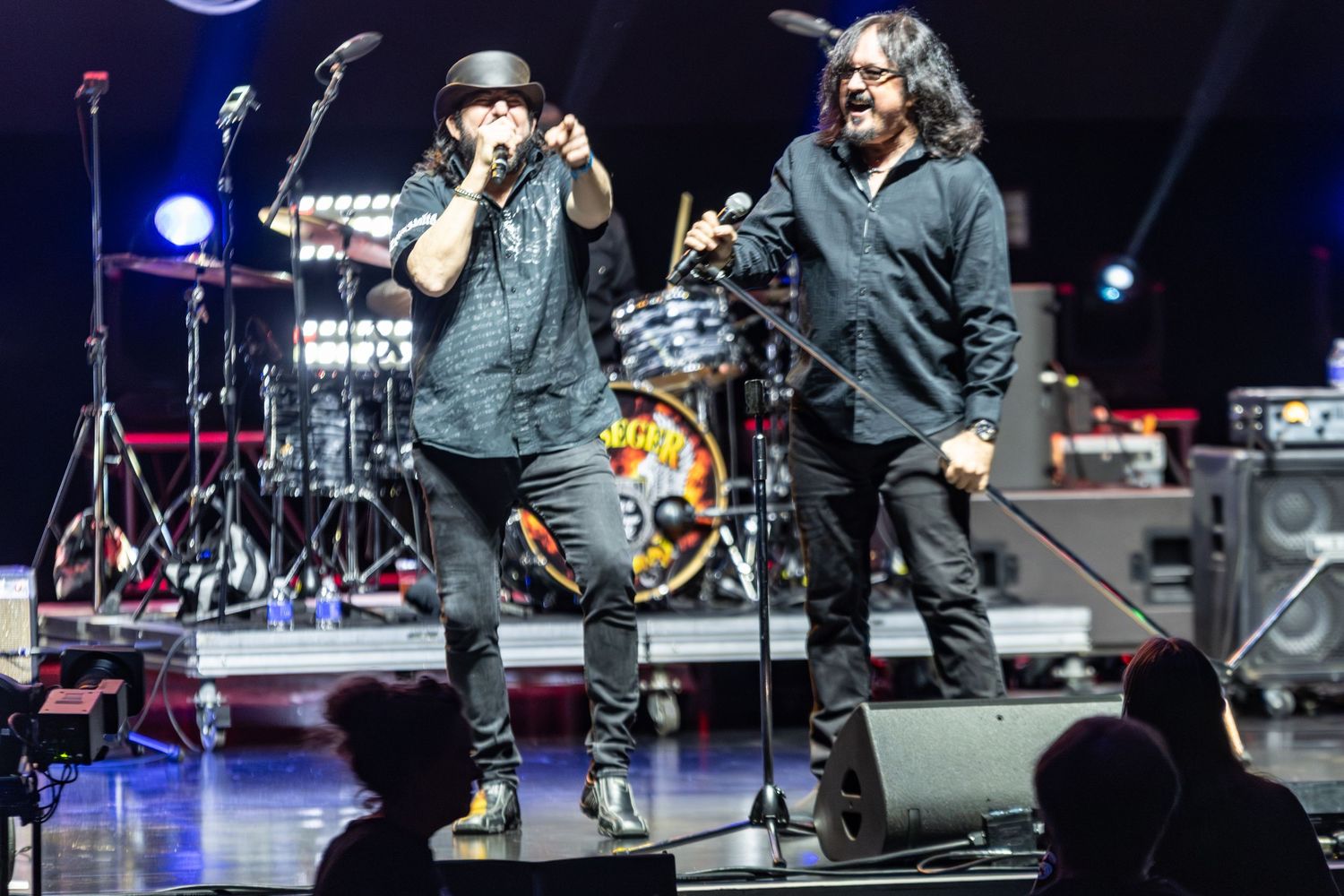
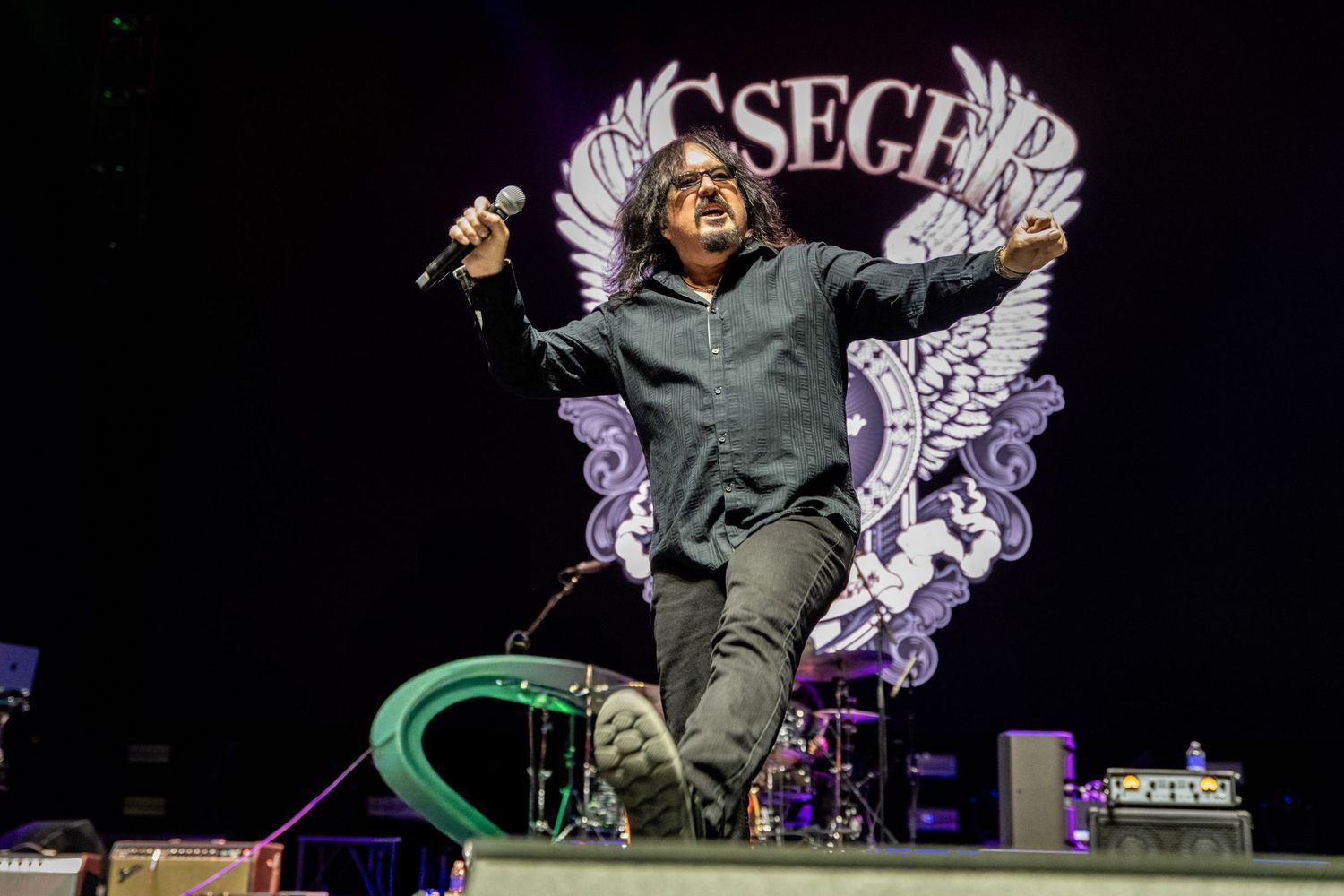
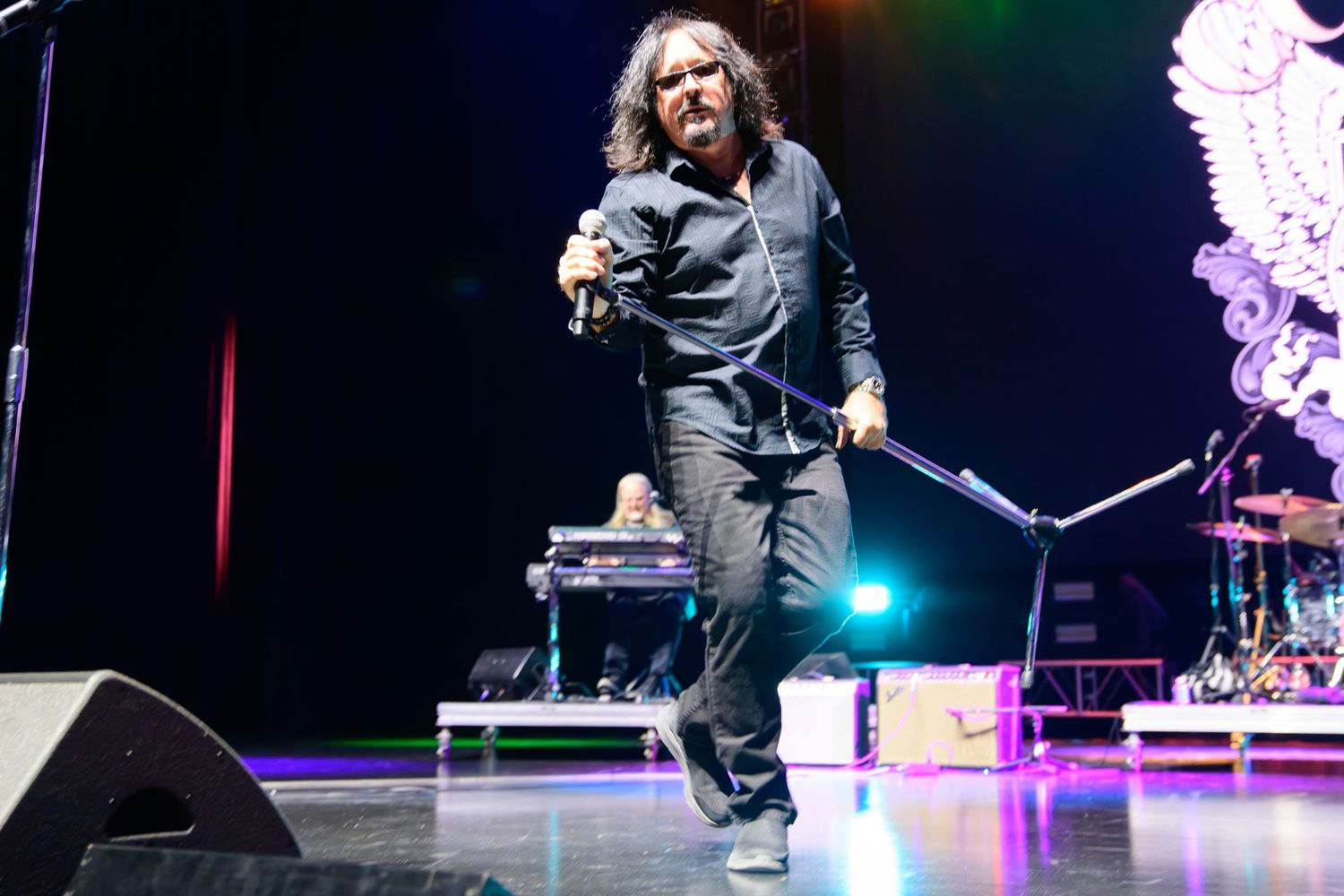
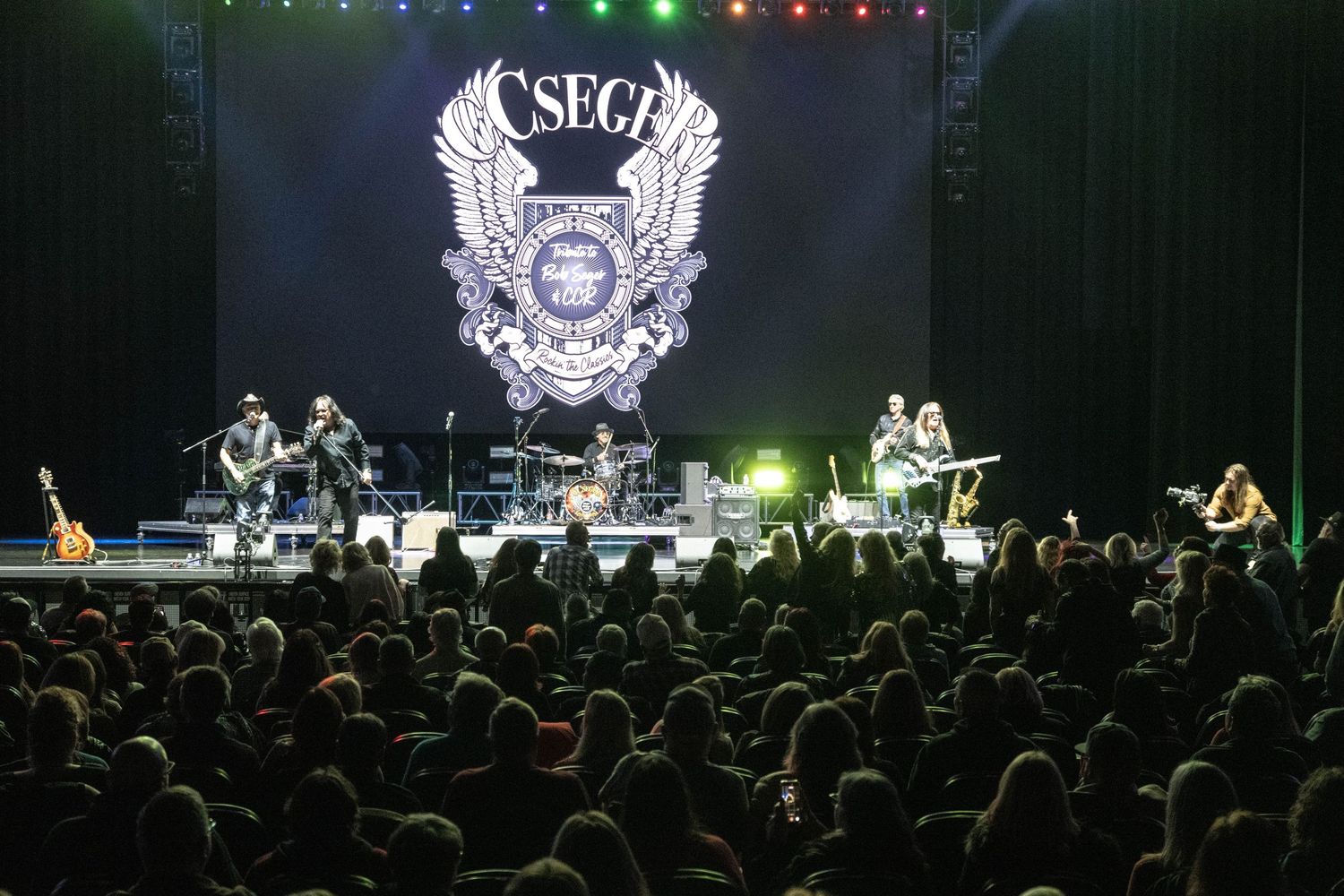
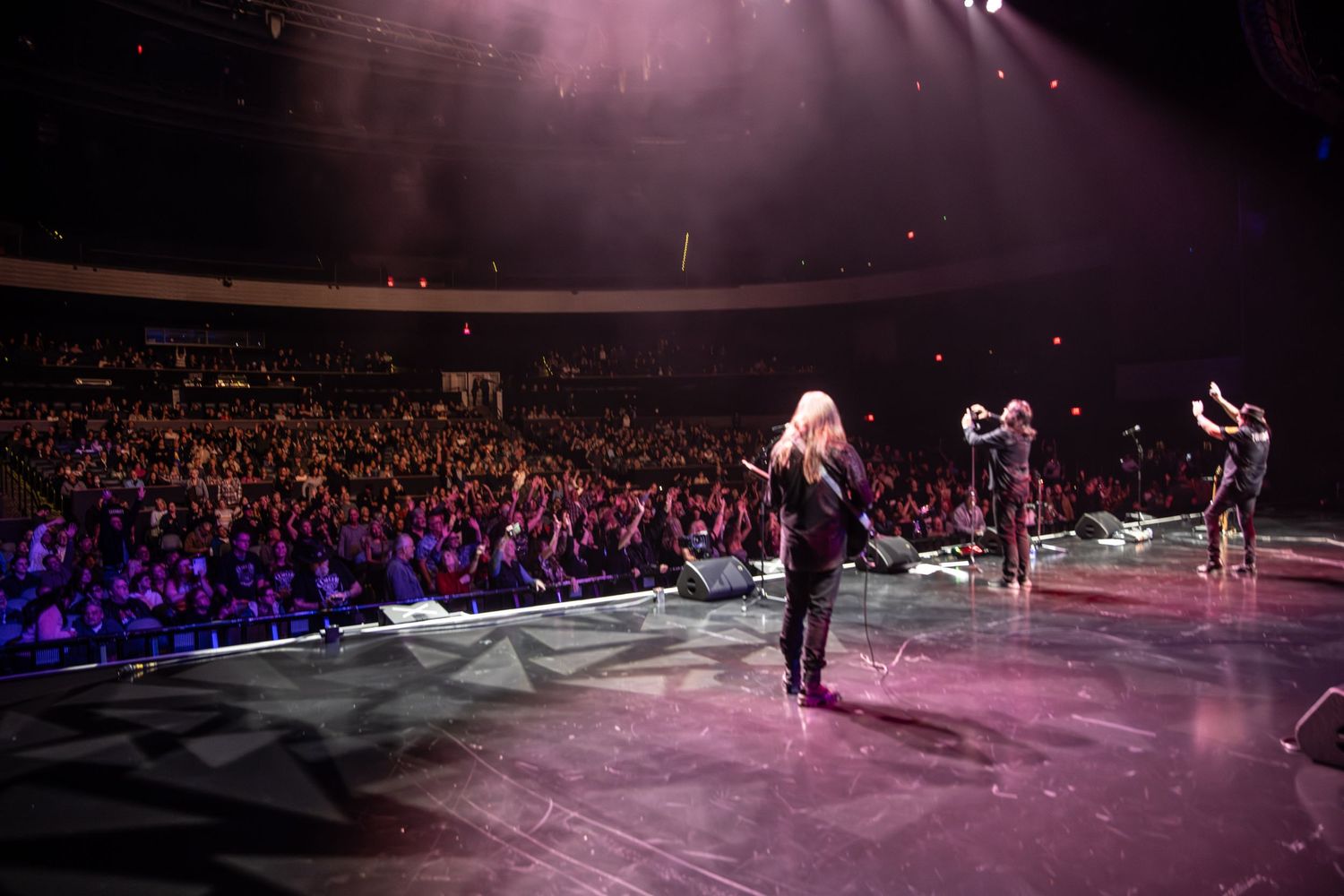
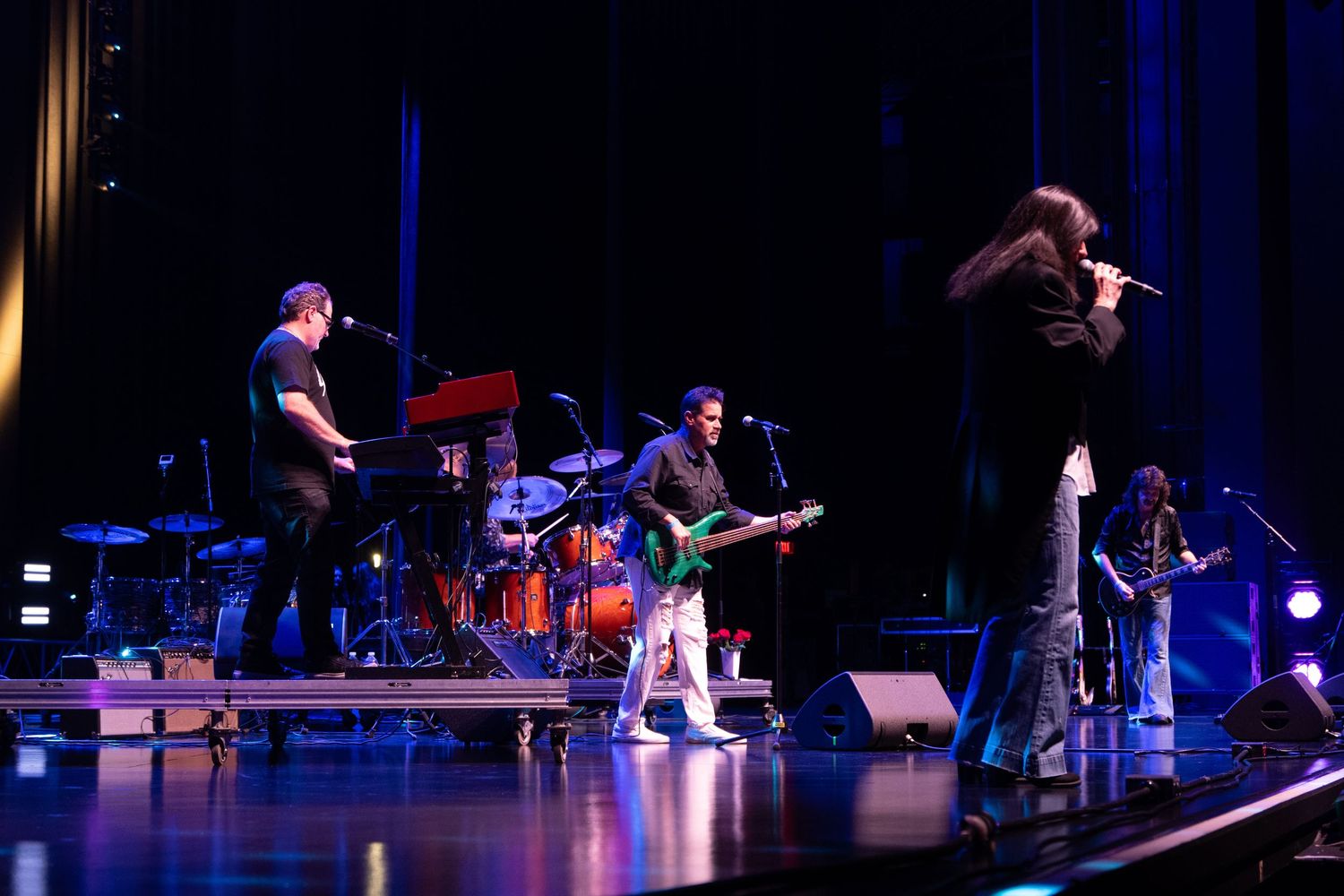
Journey Revisited and CCsegeR, two powerful Central Valley tribute bands, hit a sold-out room and turned it into one moving thing. Five thousand-plus people singing, dancing, screaming, throwing themselves into the night like they needed it. When it’s that loud and that alive, the music stops being something you hear and becomes something you feel in your chest, in your hands, in the floor. There were moments where it honestly felt like lightning ran through your body.
A normal review would stop there. “They were amazing.” “You had to be there.” And they were, and you did.
But what I want to write about is what I observed, before, during, and after, because I think that’s where you see what separates a great band from a decent one. Not just talent. Not just tight playing. The culture behind it. The leadership. The respect. The way the night is built on purpose.
And that’s tricky to write when there are two bands on the bill, because I don’t want to tilt so hard toward CCsegeR that I accidentally shortchange Journey Revisited. The truth is: I saw the night from two angles, and each band showed me something different about what “great” really is.
The Culture Starts at the Center
If you want to know why certain bands feel bigger than others, why the whole room leans in, it often starts with the leader of the band.
Not in an ego way. In a tone-setting way.
I watched that tone get set. It’s okay to have fun here. It’s okay to laugh. It’s okay to razz each other. But it’s also understood, without being said, that professionalism is non-negotiable. Preparedness. Respect. Focus. When it’s time to deliver, you deliver.
That balance is rare. A lot of bands can be serious. A lot of bands can be fun. The best ones can do both, and can switch between the two like flipping a breaker.
With CCsegeR, I got to see that switch up close.
The Inner Sanctum
I spent most of my time in the green room with CCsegeR.
People imagine the green room as glamour. The truth is better than glamour. It’s an inner sanctum. It’s where a high-performing band gets to be human for a minute before they step out to face thousands of people.
In there, the band picks on each other constantly. There are laughs, inside jokes, roughhousing, and nobody is off-limits. And yet, under the joking, you can feel the seriousness humming. They know what’s coming. They’re about to walk into a room with 5,000 people and carry them. That takes more than confidence. That takes preparation and trust.
Then you hear the technical conversations, little flashes of craft that remind you these people aren’t just performers. They’re builders.
It’ll be something like:
Bass player: “Hey drummer, on that part that goes BOP BOP BOOM… bop-iddy bop… BANG…”
Drummer: “Yeah, I know.”
Bass player: “What if you hit the boop boop bingdly boom right there instead?”
Drummer: “Yeah man, I got you.”
I have no idea what song they were talking about. I couldn’t translate it if you asked me. But they knew. It’s a private language, rhythm syllables and half-sentences that somehow contain an entire plan. That’s the thing people don’t always understand. The “magic” on stage is built out of small, nerdy details backstage.
The set list gets reviewed again and again, too. Not because they’re unsure, but because the set list is the blueprint of the night. It’s the emotional architecture: where you lift the room, where you let it breathe, where you hit them with nostalgia, where you punch them with power, where you give them a moment to feel safe, and where you take the roof off. A great show isn’t just songs. It’s pacing. Tension. Release. Breath. Push. Payoff.
And being invited into that space is a big thing. It’s trust.
Because the green room is still private time. These artists let their guard down. They talk about what they do well. They talk about what needs tightening. They ask each other for help. They make sure the vibe is right, not only for the crowd, but for each other.
As a photographer, I try hard not to become part of their story. I’m there to watch the story unfold. And sometimes that means not photographing the moment even when I really want to, because the moment belongs to them, not to my portfolio. Sometimes the most professional thing you can do is let it play out.
That’s especially hard for me because I’m socially awkward, your typical computer guy. I feel more comfortable in a tech room than I do around “cool musicians.” But I love this environment. I love watching craft in motion. The tricky part is walking the line between being a personal fan and being a professional storyteller, because I am a fan of these artists, and I never want that to leak into how I carry myself in their space.
And then there was this one moment that stuck with me, because it revealed something deeper than stage presence.
Respect That Points Inward
I once asked the two lead singers who they admire most as an artist. I expected a famous name. Some icon. But they both answered almost at the exact same time:
“Larry.”
Their bass player.
Then other members backed it up too, like it was obvious. Larry.
That tells you a lot about a band. When the admiration isn’t pointed outward toward celebrities but inward toward each other, it means they see the work. They recognize what actually carries the show. They honor the craft, not the spotlight.
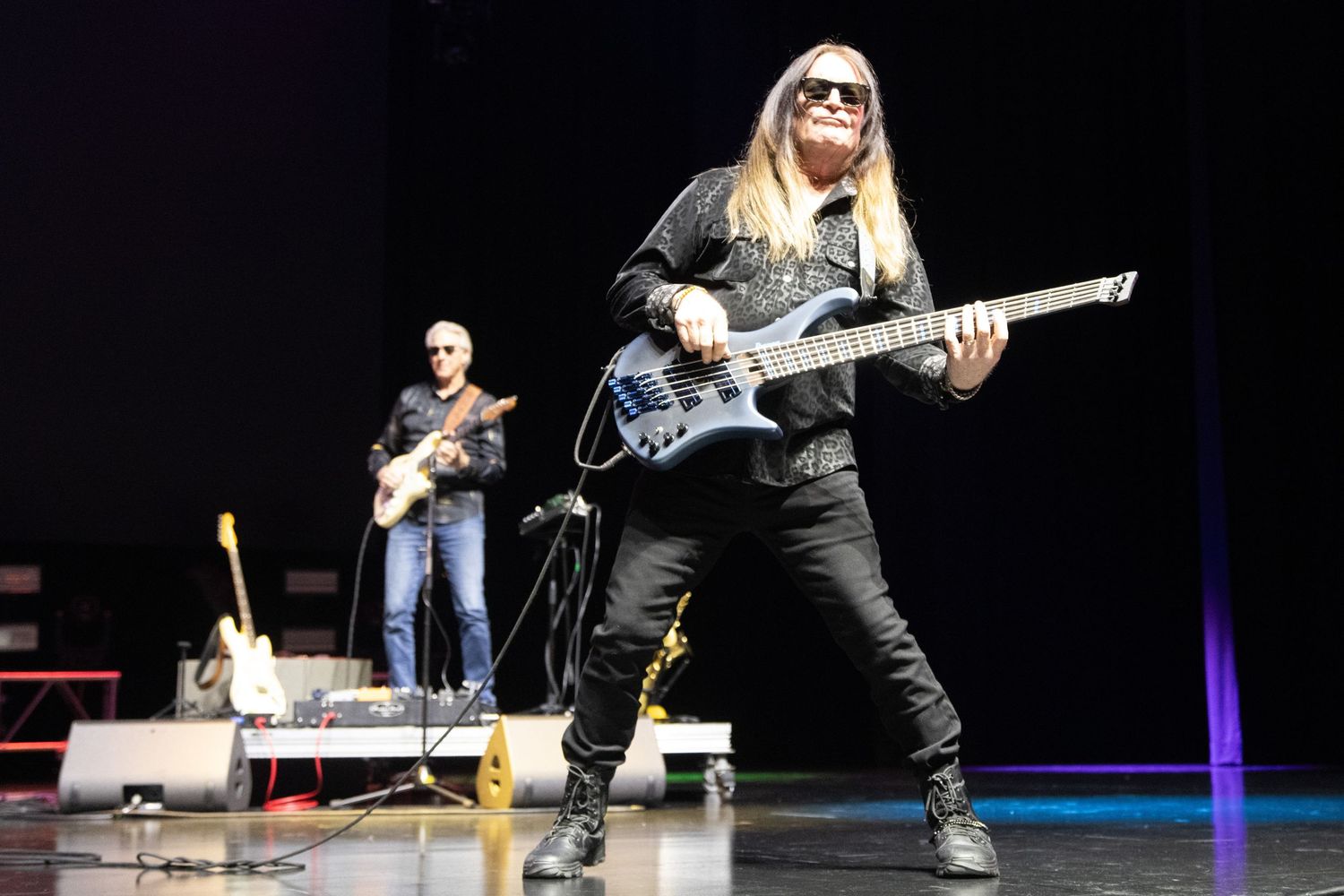
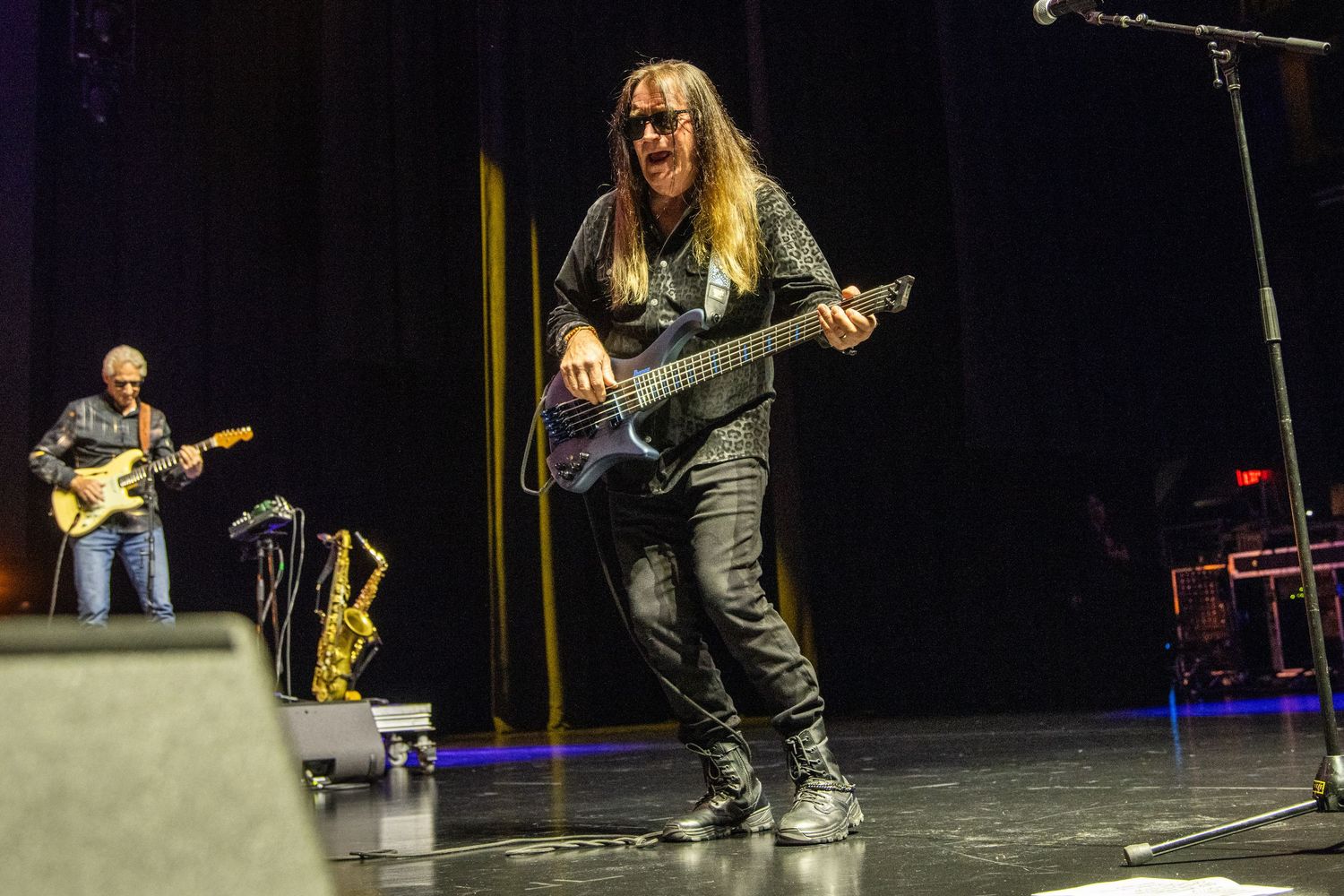
They call Larry “the Electrocutioner.”
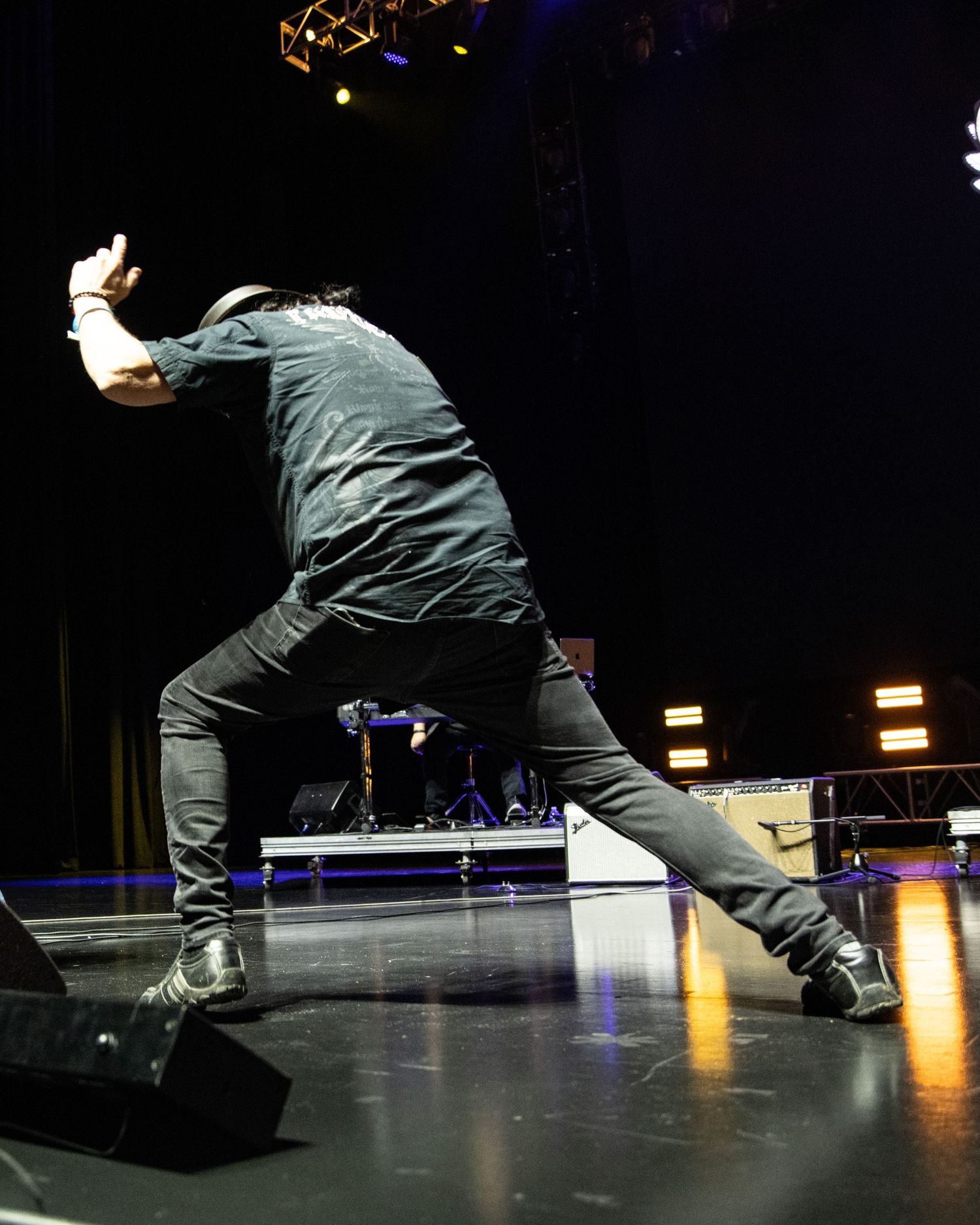
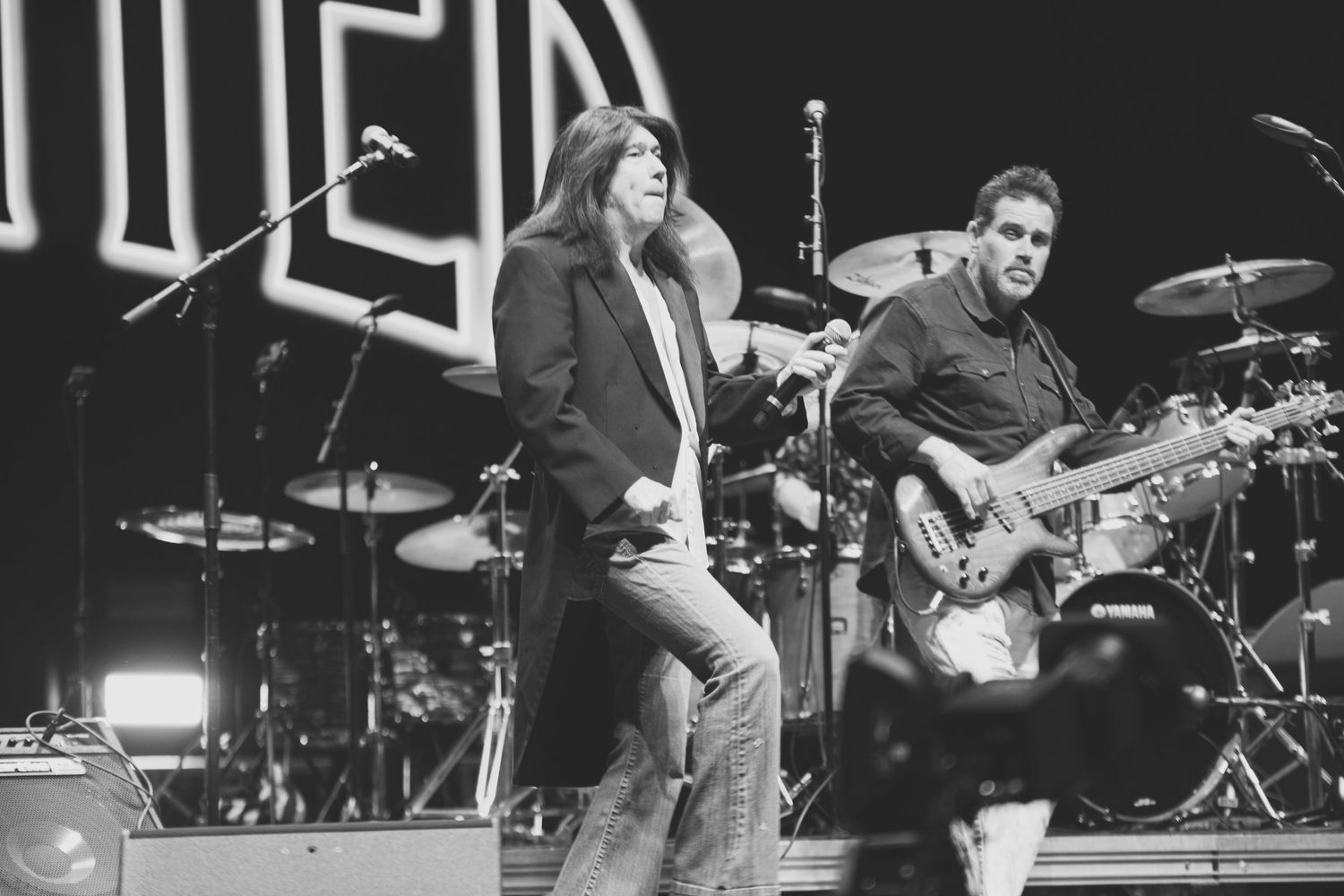
And the nickname fits, but not in a “stage gimmick” way. It fits because when Larry plays, it looks like the music is physically hitting him. His whole body moves like he’s getting shocked, full-body, unfiltered, almost violent in the way the groove takes him.
I’ll be honest: Larry isn’t worried about looking good up there.
And I mean that as a compliment.
It’s not the “pretty,” camera-ready kind of performance. It’s the kind that’s honest. It can be strange to witness until you realize what you’re actually seeing: a musician who isn’t performing an image. He’s performing the truth of the music.
That’s why the band admires him.
And it doesn’t hurt that Larry has real miles. He’s played with people most of us only hear about, and he brings that level of commitment into a tribute-band context like it’s Madison Square Garden. That’s the difference right there. Some musicians show up to play songs. Others show up to transmit something. Larry transmits.
The Other Angle: Stage Proof
Now, Journey Revisited.
I didn’t have the same green-room view with them, so I’m not going to pretend I saw their private world the way I did with CCsegeR. But here’s the thing: you don’t need backstage access to recognize a band operating at a high level. Because it shows up under the lights.
Journey Revisited showed their professionalism the public way, in how they ran the room.
The transitions didn’t sag. The energy didn’t drift. The pacing felt intentional. You could feel a band that understands how to work a crowd that size, how to keep the momentum, how to let the audience sing, how to build the next wave before the previous one even fully settles.
The great bands do something that looks effortless but isn’t. They make thousands of people feel like the night is happening with them, not to them. That’s leadership too. Sometimes it’s one person at the center. Sometimes it’s distributed, shared responsibility that keeps everything tight without looking tight.
And when you’re photographing from the crowd while 5,000 people are moving as one, that’s the proof. The band didn’t just play well. They connected. They gave the room a reason to believe.
Two Bands, Same Standard
So if I’m trying to answer my own question, what makes these bands better than others, it isn’t that one is “better.”
It’s that both bands have something many don’t:
- leadership that sets tone without ego
- professionalism that doesn’t kill the fun
- mutual respect you can feel before the first note
- craftsmanship in the details, the “bop bop boom” conversations, the cues, the pacing
- and the ability to transmit energy so well that the crowd becomes one voice
CCsegeR gave me a window into the private world where that excellence is built.
Journey Revisited gave me the public proof, how that excellence holds up when the room is full and the stakes are real.
And out in that sold-out Thunder Valley crowd, none of it felt like “a tribute band night.”
It felt like two groups of artists doing what great artists do:
They gave thousands of people permission to feel something together.
And I’ll add one more truth, because it’s part of this story too, maybe the most personal part.
I’m a small-town music photographer. Big fish, small pond, you know the type. But when you step up into rooms like this, bands like Journey Revisited and CCsegeR, the room attracts photographers with serious miles: seasoned pros, national-level talent, people who make it look effortless.
And I’ll be honest: I get intimidated.
If I want to keep shooting bands at this level, I have to get better at something that has nothing to do with camera settings. I have to stay humble, stay present, watch, and learn. I have to stop letting intimidation narrate the night for me.
Because the funny thing is, those seasoned professionals I get in my head about are almost always kind. They’re always helpful. They offer amazing advice if you’re willing to ask, and they’ll share what they know without ego.
So yeah, it’s all in my head.
And the next level for me isn’t louder gear or better luck. It’s walking into nights like this with the same mindset the best musicians bring into the green room:
Have fun. Stay professional. Respect the craft. And keep learning.